

The Nature of Panic Disorder
Panic disorder is a disabling anxiety condition defined by the recurrence of unexpected panic attacks—sudden episodes of intense fear accompanied by a surge of severe physical and psychological symptoms—combined with persistent concern about future attacks and significant behavioral changes aimed at avoiding situations associated with panic. The lifetime prevalence of panic disorder is estimated at 3 to 5 percent of the general population, with the condition typically emerging in late adolescence or early adulthood and following a chronic, often fluctuating course if left untreated.
A panic attack itself is a discrete period of intense fear or discomfort that reaches a peak within minutes and includes at least four of thirteen recognized symptoms: palpitations or accelerated heart rate, sweating, trembling or shaking, sensations of shortness of breath, feelings of choking, chest pain or discomfort, nausea or abdominal distress, dizziness or faintness, derealization or depersonalization, fear of losing control or going crazy, fear of dying, numbness or tingling sensations, and chills or hot flashes. The intensity and sudden onset of these symptoms frequently lead patients to believe they are experiencing a heart attack, stroke, or other life threatening medical emergency.
How Alprazolam Targets Panic
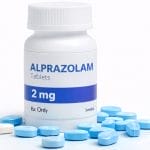
Alprazolam—marketed under the brand name Xanax among others—has historically been one of the most studied and widely used pharmacological treatments for panic disorder, with approval from the United States Food and Drug Administration specifically for this indication. Its mechanism of action, involving positive allosteric modulation of GABA A receptors and the resulting enhancement of inhibitory GABAergic neurotransmission throughout the central nervous system, directly addresses the neurobiological substrate of panic: an overactive fear circuitry centered on the amygdala and its connections to the brainstem, hypothalamus, and prefrontal cortex.
The rapid onset of action of immediate release alprazolam—typically producing anxiolytic effects within 15 to 30 minutes of oral ingestion—makes it particularly valuable for the acute management of panic attacks. When used as a rescue medication at the earliest signs of a developing panic attack, alprazolam can abort or substantially attenuate the attack, reducing its intensity, duration, and the degree of distress experienced by the patient. This rescue function can be profoundly reassuring for patients with panic disorder, providing a sense of control and security that itself reduces the anticipatory anxiety that so often perpetuates the disorder.
Alprazolam Versus Other Treatments for Panic Disorder
The treatment landscape for panic disorder includes several well established options, and alprazolam must be understood within this broader context. First line pharmacological treatments recommended by international clinical guidelines include SSRIs—particularly sertraline, paroxetine, fluoxetine, and escitalopram—and the SNRI venlafaxine. These agents, while requiring two to six weeks to achieve therapeutic effect, have demonstrated efficacy for the prevention of panic attacks, reduction of anticipatory anxiety, and improvement of agoraphobia related avoidance when used long term.
Cognitive behavioral therapy, specifically panic focused CBT, is considered equally or more effective than pharmacotherapy for panic disorder in many comparative studies, with the critical advantage of producing durable benefits that persist after treatment discontinuation—an advantage not shared by pharmacological treatments, including alprazolam. Panic focused CBT includes psychoeducation about the physiology of panic, interoceptive exposure (deliberately provoking the physical sensations associated with panic in a controlled setting), cognitive restructuring of catastrophic misinterpretations of bodily sensations, and in vivo exposure to avoided situations.
The Role of Xanax in Bridging and Acute Management
Given the delayed onset of SSRI and SNRI efficacy, alprazolam plays an important bridging role in the early management of panic disorder—providing immediate symptom control during the weeks before first line medications achieve their full therapeutic effect. During this bridging period, the ability to buy Xanax and use it reliably as needed can be the difference between a patient who engages with treatment and achieves recovery, and one who abandons treatment prematurely due to uncontrolled symptoms.
Beyond the bridging application, some patients with panic disorder—particularly those with frequent, severe attacks that are refractory to first line treatments—may require ongoing alprazolam therapy as part of a maintenance regimen. In these cases, extended release alprazolam (Xanax XR) is generally preferred over immediate release preparations for scheduled dosing, as it provides more stable plasma concentrations and reduces the risk of interdose anxiety rebound that can occur with shorter acting formulations.
Managing Agoraphobia and Functional Avoidance
A significant proportion of individuals with panic disorder develop agoraphobia—a condition characterized by marked fear and avoidance of situations perceived as difficult to escape or in which help would be unavailable if a panic attack occurred. Common agoraphobic situations include using public transportation, being in open spaces, being in enclosed spaces such as shops or theaters, standing in line, and being outside the home alone. Agoraphobia significantly amplifies the functional impairment of panic disorder and can lead to progressive social withdrawal and, in severe cases, complete housebound existence.
In the context of agoraphobic avoidance, alprazolam has been used both as a direct anxiolytic to enable participation in avoided situations and as a safety behavior that supports gradual exposure. The use of alprazolam purely as a safety behavior—where the patient relies on having the medication available rather than using it as a tool within a structured exposure framework—can inadvertently reinforce avoidance by preventing full emotional processing during exposure exercises. Therapists and prescribers should collaborate to ensure that alprazolam is used strategically in ways that support rather than undermine the behavioral treatment of agoraphobia.
Withdrawal Management and Tapering
Alprazolam has a relatively short half life (6 to 12 hours) compared to other benzodiazepines such as diazepam or clonazepam, which means that plasma concentrations fall more rapidly between doses and upon discontinuation. This pharmacokinetic property makes alprazolam withdrawal particularly challenging, with patients potentially experiencing significant interdose anxiety, rebound panic attacks, and physical withdrawal symptoms even when reducing the dose gradually. For this reason, many specialists recommend transitioning patients from alprazolam to an equivalent dose of a longer acting benzodiazepine—most commonly clonazepam—before initiating the taper, as the slower decline in plasma levels is associated with a more tolerable withdrawal experience.
Patients who need to buy Xanax as part of an ongoing prescribed regimen for panic disorder should never discontinue the medication abruptly without medical guidance. Abrupt cessation of alprazolam after regular use can precipitate a severe withdrawal syndrome that may include generalized anxiety, tremor, sweating, insomnia, and—in serious cases—seizures and delirium. Discontinuation should always be carried out gradually under clinical supervision, with the tapering schedule individualized to the patient’s dose, duration of use, and tolerance of withdrawal symptoms.
Patient Education and Empowerment
Effective management of panic disorder requires that patients develop a deep understanding of their condition, including the physiological basis of panic attacks, the role of cognitive misinterpretations in perpetuating fear, and the natural course of panic when confronted without avoidance. This psychoeducation empowers patients to apply coping strategies—controlled breathing, grounding techniques, cognitive restructuring—that reduce reliance on alprazolam over time and build genuine self efficacy in managing anxiety.
Patients should also receive clear information about the appropriate use of their prescribed alprazolam: when to use it, what constitutes appropriate dosing, the signs of problematic medication use, and the importance of maintaining open communication with their prescriber about their medication needs and concerns. This collaborative, informed approach to medication management is foundational to safe and effective pharmacological treatment of panic disorder.
Conclusion
Alprazolam remains a clinically relevant and FDA approved treatment for panic disorder, offering rapid symptom relief, effective rescue function during acute panic attacks, and important bridging support during the initiation of longer term treatments. When prescribed responsibly within a comprehensive treatment plan that integrates evidence based psychological therapies and appropriate pharmacological management, and when patients who need to buy Xanax do so through legitimate medical channels with full clinical oversight, alprazolam can meaningfully reduce the burden of panic disorder and support recovery.
Related posts:
 Relief of Anxiety During Stressful Life Events: Understanding Xanax’s Short-Term Role
Short-Term Relief of Severe Anxiety Symptoms Buying Xanax
Treatment of Sleep Difficulties Related to Anxiety: Xanax and the Sleep-Anxiety Connection
Relief of Anxiety During Stressful Life Events: Understanding Xanax’s Short-Term Role
Short-Term Relief of Severe Anxiety Symptoms Buying Xanax
Treatment of Sleep Difficulties Related to Anxiety: Xanax and the Sleep-Anxiety Connection
 Buy Alprazolam Online With Prescription: Safety, Drug Interactions, and Patient Education Guide