Generalized Anxiety Disorder: Understanding Pathophysiology

Generalized anxiety disorder is one of the most prevalent psychiatric conditions globally and one of the most commonly encountered in primary care settings, yet it remains underdiagnosed and undertreated in a significant proportion of affected individuals. The disorder is characterized by persistent, excessive worry about multiple domains of everyday life that is difficult to control […]

Read More
Scattered pills and coffee cup.

Stimulant Overuse and Anxiety: Caffeine, Medications, and Substance-Triggered Neurological Hyperarousal

How Stimulants Drive Anxiety: The Dose-Response Reality The relationship between stimulant use and anxiety is pharmacologically straightforward but clinically underappreciated: stimulants — whether caffeine, prescribed stimulant medications, or illicit substances — produce their arousing and alerting effects through neurobiological mechanisms that directly overlap with the mechanisms generating anxiety. At therapeutic or moderate recreational doses, stimulants […]

Read More

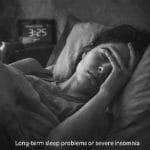
Sleep Deprivation and Anxiety: How Chronic Insomnia Feeds the Anxiety Cycle

The Insomnia-Anxiety Feedback Loop: An Underrecognized Clinical Emergency The relationship between sleep deprivation and anxiety is not unidirectional — it is a mutual feedback loop in which each condition worsens the other in a self-perpetuating neurobiological cycle that, if not clinically interrupted, produces progressive deterioration of both sleep quality and anxiety severity. Anxiety disrupts sleep […]

Read More
Woman struggling with insomnia at night

Trauma, Anxiety, and the Lasting Neurological Impact of Childhood and Adolescent Experiences

How Trauma Rewires the Anxious Brain The impact of traumatic experiences on the developing brain is one of the most extensively researched areas in clinical neuroscience, and the findings are unambiguous: adverse childhood experiences, early emotional neglect, physical or sexual abuse, witnessing domestic violence, and the accumulated stress of chronically unsafe environments during childhood and […]

Read More
Brain with chemical structures overlay

Brain Chemistry and Anxiety: Understanding Serotonin, GABA, and Neurotransmitter Imbalances

The Neurochemical Architecture of Anxiety Modern neuroscience has transformed the clinical understanding of anxiety disorders from a purely psychological phenomenon into a neurobiological condition with identifiable, measurable, and pharmacologically targetable molecular substrates. The recognition that anxiety disorders involve specific imbalances in neurotransmitter systems — the chemical messaging networks that coordinate all brain function — has […]

Read More
Stressed man with paperwork and laptop.

Chronic Stress and Anxiety: When Work, Finances, and Relationships Overwhelm the Nervous System

The Modern Anxiety Epidemic: Stress as the Primary Driver The relationship between chronic stress and anxiety disorders is one of the most thoroughly documented connections in contemporary psychiatry and neuroscience. In an era defined by relentless occupational demands, financial precarity for millions of households, and the complex interpersonal tensions that modern relationship structures create, chronic […]

Read More
Family experiencing anxiety symptoms together.

Anxiety and Genetic Predisposition: When It Runs in the Family

The Hereditary Roots of Anxiety: What Science Tells Us If you have a parent, sibling, or grandparent who has struggled with anxiety, there is a measurable and well-documented reason why you may be at elevated risk for developing an anxiety disorder yourself. Anxiety disorders are among the most heritable psychiatric conditions, with genetic studies consistently […]

Read More
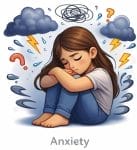
Person sitting, overwhelmed by anxiety.

Anxiety Disorders: Symptoms, Medications, and Evidence-Based Treatment Guide

Understanding Anxiety Disorders: More Than Just Worry Anxiety disorders are the most prevalent mental health conditions in the United States, collectively affecting more than 40 million adults every year. Yet despite their prevalence, anxiety disorders remain dramatically undertreated — fewer than 40% of those affected receive any formal treatment. This treatment gap carries enormous human […]

Read More