

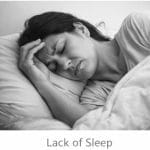
The Sleep Headache Connection: An Underappreciated Driver of Headache Pain
The relationship between sleep and headache pain is bidirectional, powerful, and often overlooked in headache management. Disrupted, insufficient, or poor quality sleep is one of the most commonly reported headache triggers, and headache pain in turn frequently disrupts sleep, creating a vicious cycle that can be difficult to break without addressing both problems simultaneously. Understanding the neurobiological basis of the sleep headache relationship is essential for patients seeking to reduce the frequency and severity of their headache episodes.
Sleep serves critical restorative functions for the brain and nervous system. During slow wave (deep) sleep, the glymphatic system, a network of fluid channels in the brain, actively clears metabolic waste products including adenosine, inflammatory cytokines, and other substances that accumulate during waking hours. This neurological housekeeping function is essential for normal brain function and pain regulation. When sleep is insufficient or fragmented, waste product accumulation continues, pain thresholds decrease, and the brain’s ability to modulate pain signals is compromised.
Sleep deprivation also increases inflammatory markers in the blood and brain, including interleukin 6 and tumor necrosis factor alpha, which sensitize pain pathways and lower the threshold for headache onset. Research has consistently demonstrated that sleep deprived individuals have lower pain thresholds across all pain modalities, meaning that pain that would be mild when well rested becomes more intense, and headache triggers that normally would not cause an attack can do so after a bad night’s sleep.
How Sleep Loss Triggers Different Types of Headache Pain
Both migraine and tension headache are strongly associated with sleep disruption, though through somewhat different mechanisms and with different characteristic patterns.
Migraines and sleep share a particularly intimate neurobiological relationship. Migraine is fundamentally a disorder of the hypothalamus, the brain region that serves as the master regulator of circadian rhythms and sleep wake cycles. Disruption of circadian rhythms through shift work, irregular sleep schedules, jet lag, or simply insufficient sleep activates the hypothalamic pathways involved in migraine initiation. The prodrome phase of many migraines includes prominent sleep related symptoms including yawning, drowsiness, and sleep disturbance, reflecting the hypothalamic origin of the attack.
Interestingly, both too little sleep and too much sleep can trigger migraines. The “weekend headache” or “Saturday morning migraine” that many people with migraine experience represents the consequence of sleeping longer than usual on weekends, disrupting the circadian rhythm and triggering the well recognized phenomenon of sleep excess migraine. Maintaining consistent sleep timing throughout the week, including on weekends, is one of the most effective and underutilized strategies for reducing migraine frequency.
Tension headaches after poor sleep typically reflect a combination of factors: increased pericranial muscle tension resulting from tossing and turning or sleeping in positions that strain the neck, elevated stress and anxiety that accompany sleep deprivation, and the direct lowering of pain thresholds described above. Patients often note that their necks and shoulders feel particularly tense and sore after a poor night’s sleep, and that this muscle tension directly contributes to the characteristic bilateral, pressing headache pain they experience.
Identifying Sleep Disorders That Drive Chronic Headache
For patients with chronic headache who are not adequately responding to treatment, evaluation for underlying sleep disorders is important. Several sleep conditions are strongly associated with chronic headache and may be contributing to treatment resistance.
Obstructive sleep apnea (OSA) is one of the most clinically important sleep disorder headache associations. OSA is characterized by repeated episodes of upper airway obstruction during sleep, leading to brief awakenings, oxygen desaturation, and severely fragmented sleep architecture. Morning headache is a classic symptom of OSA, caused by a combination of hypercapnia (carbon dioxide accumulation), hypoxia, cerebral vasodilation, and disrupted sleep. Patients with chronic morning headache who also snore, experience excessive daytime sleepiness, or have been observed to stop breathing during sleep should be evaluated for OSA.
Effective treatment of OSA with continuous positive airway pressure (CPAP) therapy consistently and dramatically reduces morning headache frequency in OSA related headache, often resolving the problem entirely. This illustrates the importance of identifying and treating the root cause rather than only treating the headache symptom.
Insomnia disorder, characterized by difficulty initiating or maintaining sleep, early morning awakening, and associated daytime impairment, is both a trigger for headache and a common comorbidity in patients with chronic migraine and tension headache. Cognitive behavioral therapy for insomnia (CBT I) is the most evidence based treatment for insomnia and has the advantage of addressing the underlying sleep dysfunction without the risks associated with sleep medication use.
Restless legs syndrome, periodic limb movement disorder, and REM sleep behavior disorder are additional sleep conditions that disrupt sleep quality and may contribute to headache burden in some patients.
Fioricet for Sleep Deprivation Related Headache: Clinical Role and Considerations
When sleep deprivation triggers severe headache pain, particularly in patients with underlying migraine or tension headache disorders whose threshold has been lowered by poor sleep, prescription analgesic treatment may be needed for acute relief. Fioricet, as a combination prescription analgesic, has several properties relevant to the sleep deprivation headache context.
The butalbital component of Fioricet produces central nervous system sedation and muscle relaxation. For a patient experiencing a tension headache driven by the combined effects of sleep deprivation and elevated muscle tension, butalbital’s dual analgesic and sedating properties may allow both headache relief and the rest that was lacking. However, this benefit comes with an important caveat: Fioricet should not be used as a sleep aid or relied upon to compensate for poor sleep habits. The goal of any sedating analgesic is symptom relief while underlying causes are addressed, not substitution for restorative natural sleep.
The caffeine component of Fioricet warrants specific consideration in the context of sleep and headache. Caffeine is both a headache treatment (through its vasoconstrictive and analgesic potentiating properties) and a potential headache trigger (through caffeine dependence and withdrawal). Patients with significant caffeine intake who are prescribed Fioricet should be aware that the additional 40mg of caffeine in each dose may interact with their existing caffeine habits. Taking Fioricet in the late afternoon or evening may also cause difficulty falling asleep, potentially worsening the sleep deprivation that contributed to the headache in the first place.
Patients prescribed Fioricet for sleep deprivation related headaches should discuss optimal timing of doses with their physician and pharmacist, and should prioritize improving sleep quality as a parallel therapeutic goal.
Evidence Based Sleep Hygiene Strategies for Headache Reduction
Improving sleep quality is one of the most impactful modifiable strategies for reducing headache frequency and severity. The following evidence based sleep hygiene practices are consistently recommended by headache specialists and sleep medicine physicians.
Maintaining a consistent sleep schedule, going to bed and waking at the same time every day, including weekends, is the single most important sleep hygiene intervention. This regularity anchors the circadian clock, stabilizes the sleep wake cycle, and reduces the variability in sleep onset and architecture that contributes to headache triggers.
Creating an optimal sleep environment supports sleep quality. The bedroom should be cool (approximately 65 68°F is ideal for most people), dark (blackout curtains or a sleep mask eliminate light that suppresses melatonin production), and quiet (or with consistent background sound from white noise or a fan to mask disruptive sounds). The bed should be used only for sleep and intimacy, not for work, television, or scrolling through devices.
Blue light from screens, phones, tablets, computers, and televisions, suppresses melatonin secretion and shifts the circadian clock later, making it harder to fall asleep and reducing sleep quality. Avoiding screens for at least one hour before the intended bedtime, or using blue light filtering glasses or display settings if screen use is unavoidable, is recommended.
Avoiding caffeine after early afternoon and limiting alcohol in the evening are important chemical sleep hygiene measures. Alcohol, while it initially promotes sleep onset, disrupts sleep architecture in the second half of the night, reducing REM sleep and causing more frequent awakenings.
Regular physical exercise improves sleep quality through multiple mechanisms, but timing matters. Exercise performed earlier in the day has the most consistent sleep benefits; vigorous exercise within two to three hours of bedtime may be activating for some individuals and should be evaluated individually.
Cognitive Behavioral Therapy for Insomnia: The Gold Standard for Sleep Treatment
For patients with chronic insomnia contributing to headache burden, cognitive behavioral therapy for insomnia (CBT I) has the strongest evidence base and is recommended as the first line treatment by major sleep medicine organizations. CBT I is a structured, brief (typically six to eight sessions) psychological intervention that addresses the cognitive and behavioral factors perpetuating insomnia.
CBT I components include sleep restriction therapy (temporarily limiting time in bed to match actual sleep time, then gradually extending as sleep efficiency improves), stimulus control instructions (reinforcing the bed sleep association), sleep hygiene education, relaxation training, and cognitive restructuring of dysfunctional beliefs about sleep. The evidence for CBT I’s effectiveness is robust, with response rates comparable or superior to pharmacological sleep aids, and the benefits are sustained long term in a way that medication dependent sleep improvement is not.
For patients with both chronic headache and insomnia, treating both conditions simultaneously, with appropriate headache pain medications and CBT I for sleep, typically produces better outcomes than treating either condition in isolation. Many integrated headache management programs now incorporate sleep evaluation and treatment as core components.
When to Seek Professional Evaluation for Sleep Related Headache
Patients experiencing chronic headaches that they believe are related to sleep, whether from insomnia, sleep apnea, or other sleep disorders, benefit from professional evaluation that addresses both dimensions. A primary care physician or neurologist can evaluate the headache disorder and prescribe appropriate acute treatments including Fioricet when indicated, while coordinating referral to a sleep specialist for evaluation of underlying sleep disorders when warranted.
A licensed pharmacist is an important resource for patients managing sleep related headaches with prescription medications. The pharmacist can review the complete medication profile for interactions, advise on optimal dosing timing for headache medications including Fioricet relative to sleep schedules, and counsel on over the counter sleep aids or supplements that may complement prescribed therapy, or potentially interact with it.
Keeping a combined headache and sleep diary, recording sleep timing, quality, duration, and nighttime awakenings alongside headache occurrence, severity, and medication use, provides invaluable data for the clinical evaluation of sleep headache patterns.
Conclusion: Breaking the Sleep Headache Cycle
The cycle of poor sleep triggering headache pain and headache pain disrupting sleep is a challenging one, but it is breakable with the right combination of interventions. Prescription medications including Fioricet provide meaningful acute headache pain relief for patients with sleep deprivation related headache episodes, while parallel investment in sleep quality improvement, through evidence based behavioral strategies, treatment of underlying sleep disorders, and consistent lifestyle practices, addresses the root cause of recurring headache. Working with your healthcare team and pharmacy on both dimensions of this problem is the most effective path to lasting headache relief and restorative sleep.
Related posts:
 Tension Headaches From Stress and Anxiety: Causes, Prevention, and Prescription Relief With Fioricet
 Sinus Infection and Sinus Headache Pain: Symptoms, Causes, and Effective Treatment Options
 Dehydration and Headache Pain: Why Fluids Matter and When Prescription Medications Help
 Fioricet for Recurrent Headache Episodes: Clinical Management and the Challenge of Frequency Control