


Acute Sleep Disruption: Causes and Consequences
Acute sleep disruption, a sudden, significant deterioration in sleep quality and quantity arising from an identifiable precipitating event or circumstance, represents one of the most common sleep presentations in both primary care and emergency medicine. Unlike chronic insomnia, which develops gradually and becomes self perpetuating through maladaptive behavioral and cognitive patterns, acute sleep disruption is typically closely linked in time to a specific precipitant: a medical illness or hospitalization, an acute psychological crisis, the birth of a child requiring nighttime caregiving, sudden bereavement, an acute pain condition, or an environmental disruption such as noise or an unsafe sleep environment.
The consequences of acute sleep disruption are particularly significant because they arise in the context of an already challenging situation, the very precipitant that triggered the sleep disruption also typically demands increased cognitive, emotional, and physical resources from the affected individual. An acutely ill patient requires sleep for recovery and healing; a person in psychological crisis needs the emotional regulation that sleep provides; a new parent requires cognitive functioning to safely care for a newborn. The compounding effect of acute sleep loss on top of an already demanding situation amplifies the functional impact of both the precipitant and the sleep disruption, making prompt and effective management of acute sleep disruption a clinical priority with consequences beyond the sleep domain itself.
The Risk of Acute to Chronic Transition
A critical clinical concern in the management of acute sleep disruption is the risk of transition from acute situational insomnia to chronic insomnia disorder, a transition that is estimated to occur in approximately one third of individuals with acute insomnia and that dramatically changes the nature, treatment requirements, and long term prognosis of the sleep problem. This transition occurs through the development of conditioned arousal, the maladaptive learning that associates the bed environment and the bedtime ritual with wakefulness, anxiety, and frustrated sleep attempts, combined with the adoption of compensatory behaviors such as extended time in bed, daytime napping, and caffeine use that inadvertently maintain the insomnia beyond the resolution of the original precipitant.
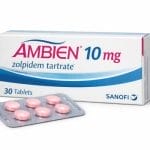
Preventing the transition from acute to chronic insomnia through prompt and effective treatment of the acute phase is a compelling rationale for short term pharmacological intervention with Ambien. By restoring adequate sleep during the acute disruption period, zolpidem reduces the total sleep debt accumulated, prevents the establishment of conditioned arousal through consistent successful sleep experiences, and maintains the functional capacity needed to address the precipitating circumstance effectively. This preventive approach is supported by evidence suggesting that early pharmacological treatment of acute insomnia reduces rates of chronic insomnia development compared to watchful waiting.
Medical Illness and Hospitalization
Hospitalization represents one of the most severe environments for sleep, paradoxically, a setting in which restorative sleep is most critically needed also creates conditions that powerfully disrupt sleep. Hospital ward noise levels during nighttime hours routinely exceed recommended limits, interruptions for clinical observations and medication administration fragment sleep throughout the night, pain and procedural discomfort impair sleep quality, unfamiliar and uncomfortable beds disrupt sleep initiation, and the anxiety associated with illness, diagnosis, and treatment activates the psychological arousal that opposes sleep onset and maintenance.
Zolpidem has an established role in hospital sleep management, with multiple studies demonstrating its efficacy in reducing sleep latency and improving subjective sleep quality in hospitalized medical and surgical patients. In post surgical patients, for whom adequate sleep is a component of recovery physiology, supporting tissue healing, immune function, and pain regulation, the clinical rationale for effective sleep management is particularly compelling. Patients who need to buy Ambien for acute insomnia associated with a medical illness or recovery from surgery should discuss this with their treating physician, who can assess the appropriateness of zolpidem in the context of their specific medical condition and current medication regimen.
Bereavement and Acute Loss
The acute period following a significant loss, the death of a loved one, the end of an important relationship, or any other major loss, is characterized by profound psychological distress that powerfully disrupts sleep through both emotional and cognitive mechanisms. Grief activates the same neurobiological stress response systems that produce stress related insomnia, while the intrusive recollections, ruminative processing, and acute emotional pain of fresh loss generate a cognitive and emotional environment at bedtime that prevents the mental quieting necessary for sleep. Nightmares and anxiety dreams further fragment sleep and contribute to a reluctance to sleep that compounds the difficulty of the acute grief period.
Short term zolpidem therapy for insomnia during the acute bereavement period can provide meaningful support by maintaining adequate sleep during the most acutely distressing phase of grief, preserving the cognitive and emotional resources needed for the practical demands of bereavement, funeral arrangements, notifications, administrative tasks, and supporting engagement with the social support and psychological processing that facilitate healthy grieving. As with all applications of Ambien in the context of psychological distress, zolpidem should complement rather than replace the psychological support and grief counseling that address the underlying loss rather than merely its sleep consequences.
Rebuilding Sleep Architecture After Disruption
Prolonged acute sleep disruption produces measurable changes in sleep architecture that may persist even after the precipitating circumstance has resolved, a form of sleep system inertia that can sustain sleep difficulties beyond the acute phase through mechanisms distinct from conditioned arousal. Specifically, the slow wave sleep rebound that follows sleep deprivation, in which the proportion of deep NREM sleep in recovery nights is elevated above baseline, can produce fragmented sleep architecture during the recovery period as the sleep system attempts to restore depleted slow wave sleep while simultaneously managing REM pressure and circadian timing constraints.
Zolpidem, by ensuring that adequate consolidated sleep is obtained during and after the acute disruption period, supports the normalization of sleep architecture and prevents the cumulative sleep debt that perpetuates architectural abnormalities. This architectural normalization effect, less studied than the symptomatic measures of sleep latency and total sleep time but potentially important for the full restoration of the restorative functions of sleep, represents an additional dimension of zolpidem’s clinical benefit in the acute sleep disruption context.
Environmental Interventions for Acute Sleep Restoration
Pharmacological management with zolpidem is most effective when combined with environmental and behavioral interventions that address any modifiable factors contributing to the acute sleep disruption. In hospital settings, this includes bundling nighttime clinical interventions to minimize the frequency of sleep interruptions, using earplugs and eye masks to reduce noise and light disruption, maintaining appropriate daytime light exposure to support circadian function, managing pain and discomfort proactively, and minimizing the use of activating medications, including corticosteroids and decongestants, at bedtime when clinically feasible.
At home during periods of acute sleep disruption, ensuring that the bedroom environment remains as consistently sleep conducive as possible, maintaining the behavioral association between the bed and sleep through stimulus control principles even during the disruption period, reduces the risk of conditioned arousal developing during the acute phase. The combination of consistent sleep environment management, appropriate pharmacological support with Ambien, and attention to the precipitating circumstance provides the comprehensive approach most likely to successfully restore normal sleep patterns with minimal risk of chronic insomnia development.
Conclusion
Acute sleep disruption is a common and clinically significant condition that warrants prompt and effective management to restore normal sleep patterns, prevent the accumulation of harmful sleep debt, and reduce the risk of chronic insomnia development. Ambien provides evidence based pharmacological support for this indication, offering reliable sleep restoration through its well characterized hypnotic mechanism. Used judiciously within the acute disruption period, with concurrent attention to modifiable environmental factors, the precipitating circumstance, and the prevention of maladaptive sleep related behaviors, buy Zolpidem represents a clinically rational and humane approach to one of the most immediately impactful forms of sleep disturbance.
Related posts:
 Buy Ambien Online As Part of a Medically Supervised Treatment Plan
 Sleep Problems Associated with Anxiety: How Buy Ambien Addresses a Difficult Comorbidity
 Temporary Insomnia From Changes in Routine or Travel Buy Zolpidem as a Practical Solution
 Trouble Staying Asleep During the Night: Purchase Zolpidem Role in Sleep Maintenance