

When Anxiety Becomes Severe
Anxiety exists on a spectrum ranging from mild, manageable worry that is part of normal human experience to severe, incapacitating states that prevent basic daily functioning and pose serious risks to mental and physical health. Severe anxiety represents the upper extreme of this spectrum—a state in which the subjective experience of fear and apprehension is overwhelming, cognitive function is severely impaired, and physical symptoms of autonomic arousal are intense and distressing. Patients experiencing severe anxiety may feel completely unable to concentrate, make decisions, or perform work or household tasks. Sleep becomes impossible, appetite disappears, and social interaction feels beyond reach.
Severe anxiety can manifest across several diagnostic categories. It can represent an acute exacerbation of a chronic anxiety disorder such as generalized anxiety disorder or panic disorder, triggered by a significant life stressor or by missed doses of maintenance medications. It can arise in the context of an acute stress response to traumatic or highly threatening events. It can occur as part of a psychiatric crisis in conditions such as adjustment disorder with anxious mood. Regardless of the specific clinical context, severe anxiety that is impairing daily function typically requires prompt and effective pharmacological intervention to restore a functional baseline.
The Case for Short Term Benzodiazepine Use
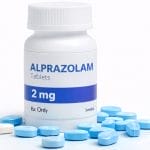
The short term use of benzodiazepines such as alprazolam (Xanax) for severe anxiety is supported by a robust body of clinical evidence and acknowledged by international treatment guidelines as an appropriate intervention in specific clinical contexts. Benzodiazepines act rapidly—within minutes to an hour of oral administration—and reliably reduce the intensity of anxiety symptoms, offering a degree of immediate relief that no other currently available anxiolytic agent can match. For patients in a state of severe anxiety that is disrupting their functioning, relationships, and safety, this rapid onset is not merely convenient but clinically essential.
The clinical case for short term alprazolam use in severe anxiety rests on several pillars. First, untreated severe anxiety carries its own risks—physiological stress responses including elevated cortisol and catecholamines have documented adverse effects on cardiovascular health, immune function, and cognitive integrity when sustained over prolonged periods. Second, severe anxiety can precipitate impulsive and self destructive behavior, impair judgment, and lead to social and occupational consequences that cause lasting harm. Third, effective short term anxiolytic treatment with alprazolam can prevent the entrenchment of avoidance behaviors and the development of chronic anxiety disorders from acute presentations.
Clinical Scenarios Warranting Short Term Alprazolam
Several well defined clinical scenarios appropriately call for short term alprazolam therapy for severe anxiety. The most common is the initiation phase of treatment with first line anxiolytics—SSRIs, SNRIs, or buspirone—which require weeks of consistent use before producing meaningful anxiolytic effects. During this pharmacological lag, patients may experience severe anxiety that would otherwise cause them to abandon treatment prematurely. Short term alprazolam bridges this gap, maintaining functional capacity and treatment engagement until the longer term medication takes effect.
Another common scenario is the acute anxiety exacerbation in a patient with a known anxiety disorder who has been stable on maintenance treatment but experiences a crisis triggered by an identifiable stressor—a medical diagnosis, bereavement, relationship breakdown, or sudden financial hardship. In these situations, a short course of alprazolam—typically two to four weeks—provides targeted relief during the acute stress period without requiring a fundamental change to the patient’s long term treatment plan.
Dosing Principles for Short Term Severe Anxiety Management
For short term management of severe anxiety, alprazolam dosing requires careful individualization based on the severity of symptoms, the patient’s age and weight, their prior experience with benzodiazepines, and the presence of hepatic impairment or other factors affecting drug metabolism. Typical starting doses range from 0.25 to 0.5 mg two to three times daily, with dose escalation guided by treatment response and tolerability. The principle of using the lowest effective dose applies with particular force in short term contexts, where the goal is symptomatic relief rather than sustained pharmacological suppression of anxiety.
Patients who need to buy Alprazolam for short term anxiety relief should obtain a clear prescription plan from their prescribing clinician that includes not only the starting dose but also the maximum dose, the intended duration of treatment, and a plan for dose reduction and discontinuation. Having a predefined exit strategy at the time of initiating treatment significantly reduces the risk of inadvertent prolongation of therapy beyond the intended short term period.
Side Effects in the Context of Short Term Use
The side effect profile of alprazolam for short term use is generally manageable, with the most common adverse effects including sedation, dizziness, impaired coordination, and memory impairment. These effects are typically most pronounced in the first days of treatment and often diminish as the patient develops some tolerance to the sedative properties of the medication. To minimize these effects, patients should be advised to avoid driving or operating heavy machinery until they know how the medication affects them, and to avoid alcohol and other central nervous system depressants that can potentiate alprazolam’s sedative effects.
Paradoxical reactions to alprazolam—including increased anxiety, agitation, hostility, and disinhibited behavior—occur in a minority of patients, particularly those with certain personality traits, brain injury, or in elderly individuals. Prescribers should advise patients and their support persons to monitor for these paradoxical responses in the early days of treatment and to contact their healthcare provider promptly if such reactions are observed.
Preventing Transition from Short Term to Long Term Dependence
The primary clinical concern with the use of alprazolam for severe anxiety is the risk that short term use transitions, without conscious intent, into long term dependence. This transition is facilitated by several factors: the high efficacy of alprazolam in reducing anxiety creates powerful positive reinforcement for its use; the anxiety that returns when the medication is withheld can be mistaken for the original anxiety disorder rather than recognized as a manifestation of tolerance and physiological dependence; and the genuine relief that alprazolam provides may lead patients—and sometimes prescribers—to underestimate the importance of developing non pharmacological anxiety management skills.
Preventing this transition requires proactive clinical management from the outset of treatment. This includes setting clear expectations about the intended duration of therapy at the time of prescription, scheduling regular clinical reviews, actively pursuing parallel non pharmacological interventions from the beginning, and monitoring for signs of escalating dose requirements or emotional reliance on the medication beyond its prescribed role.
Supporting Structures for Safe Use
Patients using alprazolam for short term severe anxiety relief benefit greatly from supportive clinical structures that provide education, monitoring, and skill development alongside pharmacological treatment. This includes psychoeducation about the nature of anxiety and its physical manifestations, instruction in evidence based anxiety management techniques such as diaphragmatic breathing and progressive muscle relaxation, and early referral to a psychologist or other mental health professional for CBT or other evidence based psychological therapies.
The prescribing clinician’s role extends beyond medication management to include therapeutic alliance, goal setting, and collaborative decision making about the treatment plan. Patients who feel genuinely heard, understood, and involved in their treatment decisions are more likely to use their medication responsibly, engage with complementary therapies, and successfully transition off alprazolam when clinically appropriate.
Conclusion
Short term alprazolam therapy for severe anxiety symptoms is a clinically supported and valuable intervention when applied judiciously within a well structured treatment framework. Its rapid onset, reliable efficacy, and well characterized pharmacology make it an important tool in the acute management of severe anxiety, particularly during the bridging period before longer term treatments take effect or during acute exacerbations of otherwise managed conditions. Individuals who seek to buy Alprazolam for this purpose should do so exclusively through the healthcare system, with a clear therapeutic plan, appropriate monitoring, and a defined exit strategy that prioritizes the development of lasting non pharmacological anxiety management skills.
Related posts:
 Reduction of Physical Symptoms of Anxiety: How Buy Xanax Targets the Body’s Stress Response
Relief of Anxiety During Stressful Life Events: Understanding Xanax’s Short-Term Role
Treatment of Sleep Difficulties Related to Anxiety: Xanax and the Sleep-Anxiety Connection
Reduction of Physical Symptoms of Anxiety: How Buy Xanax Targets the Body’s Stress Response
Relief of Anxiety During Stressful Life Events: Understanding Xanax’s Short-Term Role
Treatment of Sleep Difficulties Related to Anxiety: Xanax and the Sleep-Anxiety Connection
 Buy Alprazolam Online With Prescription: Safety, Drug Interactions, and Patient Education Guide