

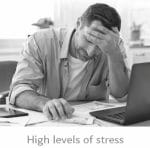
Understanding the Stress Panic Attack Connection
A panic attack is one of the most frightening experiences a person can have. In the span of minutes, the body shifts into a state of overwhelming fear and physical arousal, heart pounding, chest tightening, breath coming in rapid shallow gasps, mind flooded with a sense of impending doom. For millions of people, these episodes are directly connected to periods of intense stress and life overwhelm. Understanding how stress triggers panic attacks is the first step toward breaking the cycle and reclaiming a sense of safety and control.
Stress is the body’s response to perceived demands that exceed its available resources. The stress response, often called the fight or flight response, is mediated by the sympathetic nervous system and the hypothalamic pituitary adrenal (HPA) axis. When the brain perceives a threat, it releases adrenaline and cortisol, accelerating heart rate, increasing respiratory rate, redirecting blood flow to large muscle groups, and sharpening sensory awareness. These are survival adaptations that served our ancestors well when threats were physical and immediate.
In modern life, however, stressors are often chronic, ambiguous, and unresolvable through physical action, financial pressures, relationship conflicts, workplace demands, caregiving burdens, health concerns. When the stress response is activated repeatedly without adequate recovery, the nervous system becomes sensitized. The threshold for triggering fight or flight drops progressively lower, and eventually even a minor stressor can tip a sensitized nervous system into a full panic attack.
Chronic stress also dysregulates the HPA axis, leading to abnormal cortisol patterns, disrupted sleep, inflammatory changes, and alterations in the neurotransmitter systems that regulate anxiety, particularly GABA, serotonin, and norepinephrine. These biological changes create the neurochemical substrate on which panic disorder develops.
Life Situations That Trigger Panic Attacks
Certain categories of life stress are particularly associated with panic attack onset. Major life transitions, divorce, job loss, bereavement, relocation, retirement, involve profound uncertainty, identity disruption, and practical challenges that can overwhelm coping resources and precipitate first panic attacks. Many people trace the onset of their panic disorder to a specific period of acute life stress.
Work related stress is among the most common contexts for panic attacks. Demanding deadlines, difficult supervisors, job insecurity, high stakes presentations, or workplace conflict can maintain a chronic state of stress arousal that makes panic attacks more likely. The experience of having a panic attack at work is particularly distressing because it threatens the person’s professional identity and may create secondary anxiety about having another attack in a professional context.
Financial stress has been consistently identified as a major trigger for anxiety and panic. The worry, insomnia, and constant mental preoccupation associated with serious financial difficulty maintain a state of chronic sympathetic activation that strongly predisposes to panic episodes. Health related stress, whether one’s own illness, a family member’s diagnosis, or the demands of caregiving, similarly creates sustained psychological pressure that can trigger panic attacks in susceptible individuals.
Accumulation of multiple smaller stressors, what psychologists call “stress pileup”, can be just as triggering as a single major event. A person managing competing demands from work, family, finances, and health simultaneously may find that the combined load exceeds their regulatory capacity and triggers panic attacks even without a single dramatic precipitant.
The Physiology of a Panic Attack: What Is Happening in the Body
Understanding the physiology of a panic attack helps demystify the experience and reduces the secondary fear that amplifies and prolongs episodes. A panic attack is not dangerous, though it feels intensely threatening. It is an extreme activation of the normal stress response, producing intense but temporary physiological changes that subside on their own.
The hallmark physical symptoms of a panic attack include a racing or pounding heart (palpitations), chest tightness or pain, shortness of breath or a sensation of smothering, dizziness or lightheadedness, numbness or tingling in the extremities (paresthesia), sweating, trembling or shaking, nausea or abdominal distress, hot or cold flashes, and a sense of unreality (derealization or depersonalization). The cognitive experience is characterized by intense fear, often described as fear of dying, fear of having a heart attack, or fear of losing control or going crazy.
Hyperventilation plays a particularly important role in the physical symptom cascade. When anxiety drives rapid, shallow breathing, carbon dioxide levels in the blood fall, producing respiratory alkalosis. This causes vasoconstriction of cerebral blood vessels (contributing to dizziness and unreality), exacerbates tingling in the extremities, and can cause muscle spasms. These symptoms are alarming and further amplify the fear response, creating the self reinforcing cycle that characterizes a full panic attack.
Panic attacks typically peak within 10 minutes and resolve within 20 to 30 minutes. Understanding this time limited nature is therapeutically important, one of the cognitive techniques used in panic treatment is helping patients recognize that the peak will pass and that they can ride out the wave without catastrophic consequences.
Xanax and Ativan in Acute Panic Attack Management
For patients experiencing severe panic attacks associated with extreme stress and overwhelm, prescription benzodiazepine medications may be indicated as part of a comprehensive treatment plan. Xanax (alprazolam) and Ativan (lorazepam) are two of the most commonly prescribed benzodiazepines for acute anxiety and panic.
Both medications work by enhancing the activity of gamma aminobutyric acid (GABA), the brain’s primary inhibitory neurotransmitter, at GABA A receptors. This mechanism produces rapid anxiolytic (anti anxiety), sedative, and muscle relaxant effects that can interrupt a panic attack or significantly reduce its severity. The onset of action of oral Xanax is typically 15 to 30 minutes, while Ativan has a slightly longer onset but extended duration of action.
Xanax is FDA approved for the treatment of panic disorder and generalized anxiety disorder, making it one of the most widely studied and prescribed medications in this class. Ativan, while primarily approved for anxiety disorders, is also frequently used for acute panic episodes and has particular utility in medical settings due to its predictable absorption profile.
Benzodiazepines are most appropriately used as short term or as needed (PRN) interventions during acute panic episodes rather than as scheduled daily medications for long term management. The risk of physical dependence, tolerance, and withdrawal symptoms with prolonged regular use limits their role as maintenance therapy. Most anxiety specialists use benzodiazepines as a bridge while longer acting treatments, such as selective serotonin reuptake inhibitors (SSRIs), are initiated and take effect, or as rescue medication for occasional severe episodes. All prescribing decisions should be made by a licensed healthcare provider with full knowledge of the patient’s medical history.
Non Medication Approaches to Stress Induced Panic Management
While prescription medications play an important role in managing acute panic attacks and the anxiety disorders underlying them, behavioral and lifestyle interventions are equally essential components of comprehensive care. For panic attacks triggered by chronic stress, addressing the sources and effects of that stress is indispensable.
Cognitive behavioral therapy (CBT) is the most evidence based psychotherapy for panic disorder and stress related anxiety. CBT addresses the cognitive distortions, catastrophic interpretations of physical symptoms, overestimation of danger, underestimation of coping ability, that amplify and perpetuate panic attacks. The behavioral component includes graduated exposure to feared situations and sensations, systematically reducing avoidance behaviors that maintain anxiety. Research consistently shows that CBT produces durable improvements in panic frequency and severity, with benefits that persist long after treatment ends.
Controlled breathing techniques, specifically diaphragmatic breathing at a slow rate (approximately 6 to 8 breaths per minute), directly counteract the hyperventilation physiology that exacerbates panic symptoms. Practicing these techniques during non panic periods builds the skill and confidence needed to apply them during acute episodes.
Stress management interventions including mindfulness based stress reduction, progressive muscle relaxation, time management skills, and social support building address the upstream stressors that sensitize the nervous system. Regular aerobic exercise has robust evidence for reducing anxiety and panic frequency through its effects on HPA axis regulation, neurotransmitter balance, and sleep quality.
Building Stress Resilience to Prevent Future Panic Attacks
Long term prevention of stress induced panic attacks requires building resilience, the capacity to absorb stress and recover without being overwhelmed. Resilience is not a fixed trait but a set of skills and habits that can be deliberately cultivated.
Key resilience building practices include maintaining consistent sleep (which is the single most important recovery factor for the nervous system), nurturing social connections (social support is one of the strongest biological buffers against stress), engaging in regular physical activity, developing a sense of meaning and purpose that provides perspective during difficult periods, and actively practicing self compassion rather than self criticism when overwhelmed.
Problem solving coping, taking concrete, manageable steps toward resolving stressors rather than ruminating or avoiding, reduces the duration and intensity of stressors and prevents the accumulation that leads to overwhelm. Professional counseling or therapy can be enormously valuable for patients dealing with major life stressors alongside panic disorder.
Working with a knowledgeable healthcare team, including a physician who can evaluate and prescribe appropriate medications such as Xanax or Ativan when clinically indicated, and a therapist skilled in anxiety treatment, provides the comprehensive support needed to achieve meaningful, lasting recovery from stress induced panic disorder.
Accessing Prescription Panic Medications Through Licensed Pharmacy Channels
Prescription medications for panic disorder, including benzodiazepines like Xanax and Ativan, are dispensed exclusively through licensed pharmacies upon presentation of a valid prescription from an authorized healthcare provider. This requirement reflects the importance of proper medical evaluation before starting these medications, as well as the need for monitoring and follow up during treatment.
A licensed pharmacist reviews each prescription for panic medications to confirm appropriate dosing, screen for potential interactions with other medications the patient is taking, and provide comprehensive counseling on proper use, expected effects, and important safety precautions. Patients prescribed benzodiazepines should take full advantage of this professional expertise.
Storing prescription medications securely, taking them only as prescribed, and never sharing them with others are essential safety practices. Patients should discuss any concerns about their panic medications, including questions about side effects, duration of treatment, or how to stop the medication safely, with their prescribing physician and pharmacist.
Conclusion: From Overwhelm to Recovery, A Path Forward
Panic attacks triggered by high stress and overwhelming life situations are a real, recognized medical phenomenon with effective treatments. Prescription medications including Xanax and Ativan provide important acute relief as part of a comprehensive management plan, while cognitive behavioral therapy, lifestyle modification, and stress management address the underlying vulnerability. With the right support and treatment, recovery from stress induced panic disorder is genuinely achievable, and a life of reduced anxiety and restored functioning is within reach.
Related posts:
 Panic Attacks and Panic Disorder: From Crisis to Recovery With the Right Treatment
 Anxiety Disorders and Panic Attacks: Understanding GAD, Social Anxiety, and Prescription Treatment Options
 Trauma, PTSD, and Panic Attacks: Understanding the Connection and Finding Effective Treatment
 Brain Chemistry, Hormones, and Panic Attacks: The Neuroscience Behind Anxiety Episodes